
From Destruction to Repair: The Journey from Tisha B’Av to Tu B’Av
By Rabbi Belle Michael
Tisha B’Av, the ninth day of the Hebrew month of Av, has long been held as the saddest day on the Jewish calendar. Across generations, our tradition teaches that profound calamities befell the Jewish people on this date. On Tisha B’Av, we gather not only to remember ancient destruction, but to hold the weight of more recent tragedies as well, including the devastation, loss, and displacement following October 7, 2023.
This day invites a deep, embodied connection to our people across the world and across time. Through fasting, mourning rituals, and the haunting melodies of Eicha (the Book of Lamentations), we allow ourselves to feel the grief, fear, loss, and fragility that have marked our collective story. Tisha B’Av is not only about remembering. It is about experiencing that memory in our own bodies.
And yet, even within the depths of sorrow, our tradition plants seeds of hope.
This year, the closing words of Lamentations carry renewed resonance: Hashivenu Adonai eilecha v’nashuvah, chadesh yameinu k’kedem — “Return us to You, Adonai, and we shall return; renew our days as of old.”


In our present moment, these words echo in the lived reality of communities in Israel, including “Our Family in Israel”, the residents of Kibbutz Kfar Aza, who are beginning to return home after two and a half years of displacement, rebuilding what was shattered. Their return embodies the quiet, courageous work of renewal.
Tisha B’Av reminds us that destruction and hope are never far apart. As our Biblical tradition teaches, even in the darkest moments, the possibility of renewal is already unfolding. From brokenness, we begin again.
Only a few days after the solemn mourning of Tisha B’Av, our Jewish calendar invites us into one of its most joyful and hopeful moments: Tu B’Av, the fifteenth day of the month of Av. At first glance, the transition feels surprising. How do we move so quickly from remembering destruction and loss to celebrating love, connection, and renewal?
The answer lies in the deeper rhythm of our tradition: brokenness is never the final chapter. Judaism always calls us toward tikkun, the sacred work of mending and repairing.
The roots of Tu B’Av are connected to a powerful story of reconciliation found in the Book of Judges. After a devastating civil conflict between the tribe of Benjamin and the other tribes of Israel, the people faced the painful reality that one of their own tribes was on the brink of disappearing. In an effort to restore unity and continuity, the tribes sought a way for Benjamin to rebuild its future through marriage and connection (Judges 21).
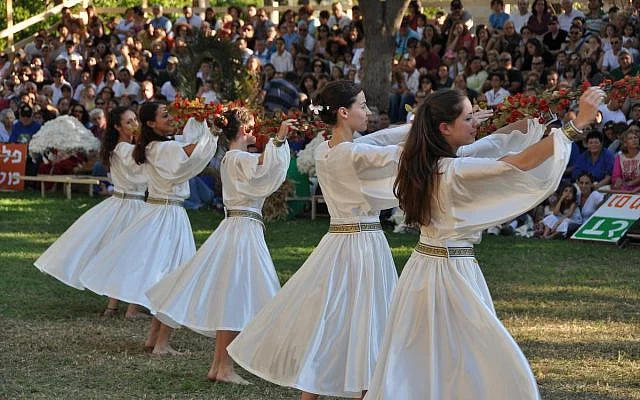
The biblical story describes young women dancing in the vineyards of Shiloh during a festival season (Judges 21:19-21). Centuries later, the rabbis connected this moment to Tu B’Av, teaching that it became a day when “the daughters of Jerusalem would go out and dance in the vineyards” and young people would seek companionship and marriage (Babylonian Talmud, Ta’anit 30b).
Through this rabbinic lens, Tu B’Av becomes much more than a celebration of romance. It becomes a celebration of reconciliation, a reminder that communities can heal after conflict, relationships can be restored after rupture, and a fractured people can find its way back to one another.
As we move from Tisha B’Av toward Tu B’Av, we are invited to transform grief into hope, separation into connection, and destruction into renewal. And as we approach the month of Elul, this message becomes even more meaningful. Elul calls us into a season of reflection and return, guided by the beloved words from Song of Songs:
Ani L’dodi V’dodi Li — “I am my beloved’s, and my beloved is mine.” (Song of Songs 6:3)
From mourning to mending, from distance to closeness, the Jewish calendar reminds us that the work of healing begins with turning toward one another. Tu B’Av teaches us that love itself can be an act of tikkun, a way of rebuilding what has been broken and renewing the bonds that hold us together.